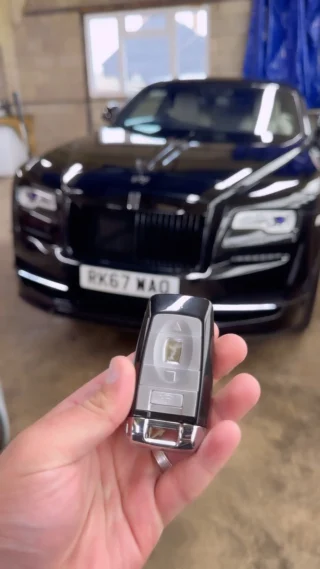
Comprehensive Guide to Car Key Replacement
Car keys have developed significantly from the simple metal keys of the past to today's complex electronic systems, consisting of key fobs and smart keys. This advancement poses obstacles for car owners when keys are lost, harmed, or malfunctioning. Comprehending the car key replacement procedure, including costs, types of keys, and alternatives readily available, is important for every single vehicle owner.
Kinds Of Car Keys
Before diving into the car key replacement process, it is important to know the different kinds of car keys available today:
| Type of Key | Description |
|---|---|
| Standard Keys | Fundamental metal keys used in older models without advanced technology. |
| Transponder Keys | Geared up with a chip that interacts with the car to enable it to start. |
| Smart Keys | Keyless entry systems allowing for proximity gain access to and starting; often need a push-button start. |
| Key Fobs | Push-button control keys that can lock/unlock doors and activate alarm. |
| Valet Keys | Streamlined keys that allow access only to the trunk and minimal car functionality. |
Why Key Replacement is Necessary
There are numerous reasons that a car owner might need to replace their car keys, and understanding these can offer clearness on potential expenses and timeframes.
- Lost or Stolen Keys: This is the most common factor for key replacement. A lost key presents a security danger, making it necessary to promptly replace it.
- Harmed Keys: Wear and tear can result in physical or electronic damage, affecting the key's ability to operate effectively.
- Malfunctioning Transponders: The chip within the transponder key may malfunction, avoiding the car from beginning.
- Switching Keys: Some owners might wish to change to an advanced key type, such as transforming to a smart key system.
Choices for Car Key Replacement
When it comes to changing a car key, vehicle owners have several alternatives. Each alternative comes with its own set of pros and cons:
Dealership Replacement:
- Pros: Directly changes the key with a manufacturer-certified item. Key programming is managed by professionals.
- Cons: The most pricey alternative with wait times if the key requirements to be bought.
Mobile Locksmith:
- Pros: More budget-friendly than dealerships and can frequently supply quicker service. Lots of locksmiths have the innovation to program modern keys.
- Cons: Not all locksmiths have access to sophisticated key programming tools, especially for more recent designs.
Do it yourself Replacement:
- Pros: Could possibly conserve money if you have the right tools and knowledge.
- Cons: Risk of incompatibility concerns or additional damage if not done properly; may void guarantees.
Insurance Coverage or Roadside Assistance:
- Pros: Some insurance plan or subscription services supply key replacement services as part of their coverage.
- Cons: Coverage might not include the complete expense, and in some cases there are limits.
The Car Key Replacement Process
The key replacement process can vary depending on the type of key and the selected replacement choice. Here's a basic step-by-step guide:
Assess the Situation:
- Determine if the key is lost, taken, or damaged.
- Think about if the vehicle's security system requires to be reprogrammed.
Gather Required Information:
- Typical requirements consist of the vehicle identification number (VIN), evidence of ownership (such as a title or registration), and personal recognition.
Pick a Replacement Option:
- Evaluate the benefits and drawbacks of dealers, mobile locksmiths, or DIY approaches.
Arrange an Appointment:
- If using a dealership or locksmith, set up a time for them to offer the replacement service.
Replacement Key Programming:
- Expect programming to ensure the new key is synced with the vehicle's computer system.
Checking:
- Once a brand-new key is gotten, test its functionality to guarantee it works effectively with all vehicle systems.
Cost of Car Key Replacement
Costs can vary significantly based upon the key type and replacement approach. Here's a breakdown:
| Type of Key | Replacement Cost Range | Estimated Time Required |
|---|---|---|
| Conventional Keys | ₤ 2 - ₤ 10 | 20 - 30 minutes |
| Transponder Keys | ₤ 75 - ₤ 200 | 30 - 60 minutes |
| Smart Keys | ₤ 150 - ₤ 500 | 60 - 120 minutes |
| Key Fobs | ₤ 50 - ₤ 400 | 30 - 60 minutes |
| Valet Keys | ₤ 20 - ₤ 50 | 20 - 30 minutes |
Keep in mind: Prices might vary based upon place and particular vehicle model.
Regularly Asked Questions (FAQs)
1. Can I get a new key made if I lost the original?
Yes, you can have a brand-new key made by either checking out a dealership or a mobile locksmith, supplied you have evidence of ownership and the vehicle recognition number (VIN).
2. How long does it require to change a car key?
Replacement time can range from 20 minutes for traditional keys to over 2 hours for wise keys, depending upon the approach and complexity of programming.
3. Is it worth getting a key replacement from a dealer?
For some owners, it might deserve it for the peace of mind that comes with having a manufacturer-certified key, especially for more advanced vehicles.
4. Can I program a car key myself?
Some standard keys can be set at home, but advanced keys usually require customized devices.
5. How can I prevent losing my type in the future?
- Use key finders or clever trackers.
- Designate a specific place for your keys in the house.
- Think about a keychain with a large, visible design.
Car key replacement is a vital element of vehicle ownership in today's technically advanced automobile world. By understanding the types of keys, replacement choices, costs, and the general process, car owners can make educated choices to ensure they are never ever left stranded due to key-related concerns. The KeyLab and readiness can conserve both money and time, permitting smoother car ownership experiences.